Journal 2026
Because I'm getting old and need to write things down, 😀

First Six Months
It’s six months into the year, and I’m only just starting this year’s journal. The reason is simple: I made a significant life change; more on that shortly.
In January, we took a family skiing holiday in the Grand Massif region. My wife and the boys skied, and I spent most of the days walking in the valleys and doing the shopping runs.
On that holiday, I spent much of the time thinking about work. I was bored and frustrated. I was a middle manager responsible for a wide portfolio of projects, with a small team and little agency to make impactful changes.
At the end of 2025, the NHS hospital I worked for offered a voluntary redundancy scheme targeted at middle managers like me. The package would have meant that, with 26 years’ service in the NHS, I would have come out with one full year’s salary, around £63K.
I ran the numbers daily and worked out that I could make the money last 12-18 months. That would give me enough time to decompress and find another job. I even considered taking a less senior role or a post outside IT, which would have meant starting to claim my pension several years early.
However, doubts niggled at the back of my mind. I was 56, and unfortunately ageism does exist in the IT industry. I had my confidence knocked after applying and interviewing for a council position, which I should have aced, as I was overqualified, but I didn’t get the job.
Ultimately, I decided not to take redundancy, and I’ve regretted it ever since. During the 12-month grace period it would have given me, I could have built a SaaS service for myself. See Medical Spell Checker & DowntimeApp below.
Towards the end of January, I was headhunted for a national health interoperability project. The contract was initially for 9 months, but the project sounded interesting and would allow me to get back into cloud development.
Even though this was a daunting move, as I had to leave the (relative) security of NHS employment, the daily rate meant I could save enough money to support the family if the supplier didn’t extend the contract beyond February 2027.
After working a tortuous 3-month notice period, I started the new job in the third week of April and haven’t looked back since. The position is primarily a Python developer role, with AWS Terraform skills and a strong focus on Health Interoperability.
I’ve never worked with Python before, so how did I get the job? I’d like to think it was my 30+ years as a developer. Sure, I had a lot to learn, but with Copilot AI, there hasn’t been anything yet that I couldn’t tackle. I might not know Python syntax, but I know which prompts to use and can tell when the AI is going down the wrong path.
Now on to some of the other projects I’ve worked on outside the day job:
Medical Spell Checker
At Newcastle hospitals, clinicians used a document management system to write discharge summaries and clinic outcome letters. Its spell checker was slow and ineffective, so clinicians did not use it. As a result, many letters went out with spelling mistakes, causing reputational damage to the hospital trust.
I created a fast Application Programming Interface (API) that lets hospitals integrate a medical spell checker into their existing processes. The API is fully documented, and a sample demo lets you test its usage.
The system is built using C# and serverless cloud infrastructure, so it has capacity for growth. It’s free to use, so feel free to try it out and integrate it into your workflow.
Downtime App
The DowntimeApp is a cloud solution that provides clinicians with a working read-only system when the main hospital EPR is experiencing downtime.
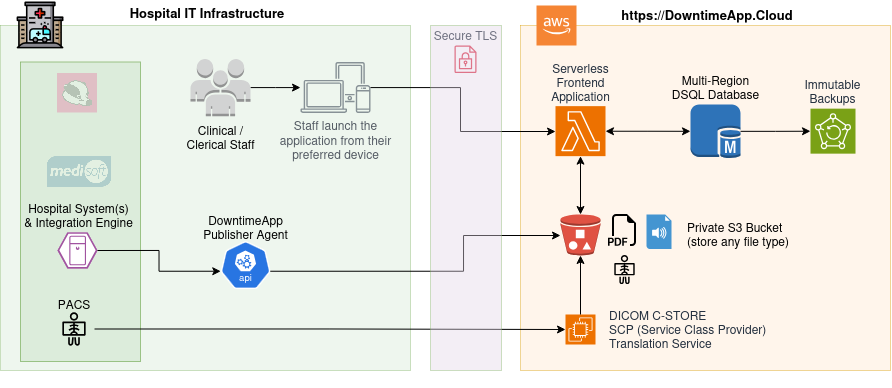
This is a longer term project. The majority of the planning has now been completed, I’ll just keep chipping away at thee coding until the solution is completed.
Writing
As I head into semi-retirement and retirement, I plan to use my technical knowledge to write a series of pocket guides for developers on several topics.
I enjoy writing and have been complimented on my clear, concise style, especially when explaining technical topics. Several years ago, I had the opportunity to write for No Starch Press, so I feel I have what it takes to write useful guides for developers of all levels.
However, after reviewing how LLMs (large language models) have improved over the last twelve months, I’m struggling to think of a book topic where I could add anything new or unique. LLMs will always be able to give a more comprehensive answer to a given question. I am wondering whether it is worth writing coding articles for this blog, let alone spending the time needed to produce a pocket guidebook.
When I look at the log files for this website, it’s clear that most traffic is from automated bots. A much smaller percentage is human readers visiting via a web browser. Hardly anybody prints these articles out to read offline anymore. I added a tracking technique that allowed me to monitor when a web page was printed. A few years back, you’d still get the odd visitor printing out one of your articles; not anymore.
The discoverability of new content has changed significantly as Google search declines and more people turn to LLMs for answers.
I’ll need to do more research on writing in the AI age before investing a huge chunk of time in writing a guidebook.
The long tail could be that the AI bubble bursts or becomes too expensive when large companies stop subsidising token usage; if the bubble bursts, established sites and blogs will become important again.
September
We took a walk up Binsey hill, the northernmost of the Wainwrights.
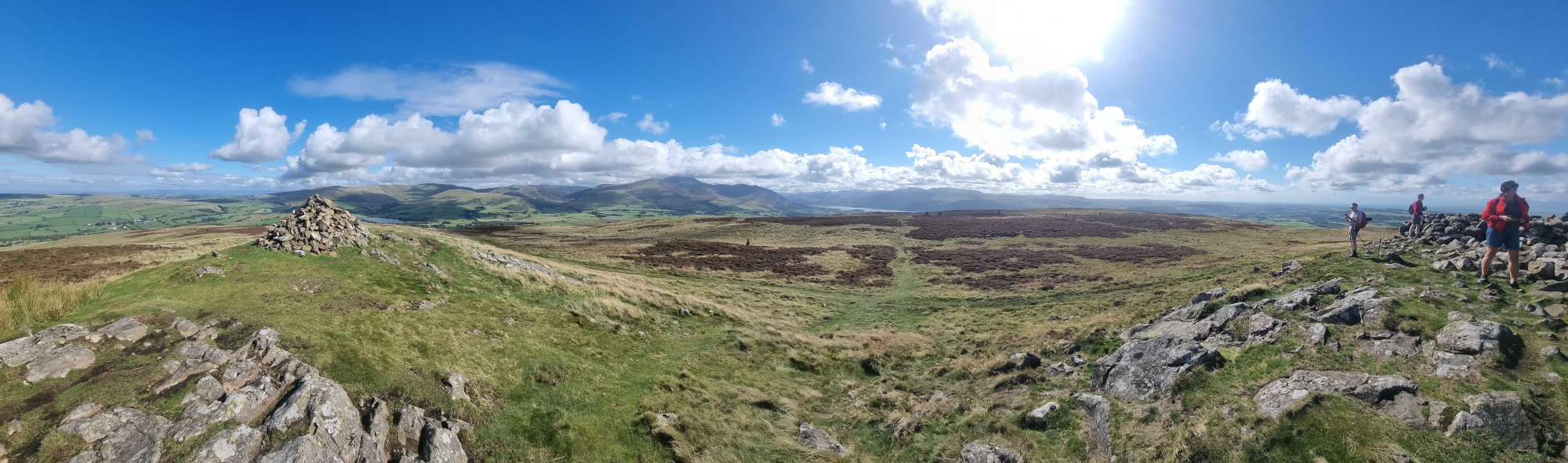
Afterwords we stopped off at the mess hall for a nice coffee and cake. The coffee was particularly nice; they use redbank coffee.